Our Policies
- Our Policies
Governance
When elected, Darebin Progressive Independents Network (DPINs) Councillors will:
Remuneration
Seek a review of salary structures based on a view that overly generous salaries have become an excessive impost on Council budgets, especially when compared with many others who hold high office in other government sectors and who bear much higher levels of responsibility and public scrutiny and accountability .
Transparency, Support and Fairness
Ensure, via a review of governance processes, increased transparency in governance to provide greater accountability to Darebin residents and ratepayers.
Ensure the annual budget process provides greater clarity for the Darebin public to be able to trace specific projects to see if funding has been made available and how funding may have changed from the previous year.
Ensure that Council decisions are seen to provide support to Darebin residents and ratepayers and that no decisions are excessively penalise sectors of the community.
Ensure that Council decisions are seen to provide and uphold values of fairness and equity in the distribution of resources across the municipality.
Sustain Darebin’s Reputation
Work to sustain Darebin’s reputation as a worthy organisation through promoting constructive relations between Councillors that reduces acrimony on the floor of the Council chamber.
Council Plan
Provide an increased role for Councillors in the drafting of the Council Plan to ensure increased community support and acceptance.
Ensure that the Council Plan contains actions for which Council can be held accountable and do not contain generalist actions expressed in waffle words from which accountability is difficult to discern.
Compliance
Lift the role and resourcing of compliance officers responsible for oversight of Council by-laws so that Council policies and regulations can have effect and ensure those officers are accessible to the community.
Consultation
Support steps to create opportunities (in line with section 55 of the Local Government Act), for deliberative democracy/citizen jury/citizen assemblies via appointment of an annual Standing Panel, especially where issues are longer-term and multi-dimensional (e.g. Community Vision, Council Plan and both of the 10 year Financial Plan and Asset Plan and other issues) and careful, considered advice from the community will be beneficial to decision making by Councillors.
Ensure community input to decision-making by setting up informal community forums, as required, to hear from the public on contentious but short-term issues.
Involve the Darebin community, via the above Standing Panel, in the development of the agenda-setting Council Plan in order to offer input directly to the Plan rather than through the funnel of consultants and officers.
Review the operation of advisory committees to Council to ensure that, where they are brought into operation, they can be shown to be part of the reform process and clearly input to, and influence, Council decisions and that Councillors are exposed to their advice via briefings.
Cease the operation of advisory committees that clearly fail to generate consistent, actionable advice to Council.
Introduce expert advisory panels to assist Council decision-making in key areas where this expertise is deemed to be valuable and available from the public.

City Presentation
DPIN members hold strong views about Darebin’s presentation, from the ubiquity of graffiti to the abysmal state of its parks and key road median strips. There is evidence almost everywhere that Darebin is poorly cared for. The subliminal message is that Darebin seemingly values grunge over well-maintained, healthy vegetation that promotes a sense of community well-being. This decades-old issue has failed to be addressed and is seemingly of low priority to many elected Councillors.
When elected, Darebin Progressive Independents Network (DPINs) Councillors will:
- support a significant lift in the presentation of Darebin’s public landscape to help the city become more liveable and attractive to new residents and businesses.
- promote the notion that: (i) the visual presentation of the city is critical to how its residents (and others) perceive the city and (ii) how presentation can, consciously or unconsciously, impact the community’s mental health and well-being. In terms of visual appearance and presentation, while the widespread incidence of graffiti may be beyond Council’s direct control, better management of the public landscape is not.
- recognise that the colonial model used in the first half of the 20th century to design Darebin’s parks, based on centuries-old English landscape notions that parks should mainly comprise lawn and trees, is now broken and can no longer service Darebin’s needs into the future.
- advocate for the introduction of water (especially stormwater) into the landscape where viable opportunities exist, in order to cool the urban environment.
- recognise that efficient, prudent irrigation, especially from alternative (non-potable) water sources, and supported by advanced technology, is important for constructed open space enduring increasingly dry conditions, and is just one of many inputs that must be provided to support and maintain such open space.
- support the use of indigenous plant species as a primary means to achieve increased vegetation cover, as not only a practical measure and one assisting biodiversity, but to offer belated recognition to the need to care for country out of respect for First Nations people and their historic, cultural and spiritual attachment to the land.
- support works to transform all parks bearing an Aboriginal name to landscapes with indigenous plants that honour and action care for country, recognising that it would be disingenuous to merely adopt or change names of parks without also changing vegetation suggestive of colonialism.
- put in place a series of key, strategic steps to transform Darebin’s dire and neglected public landscape to one that people can be proud of because of its attractiveness, quality, resilience and high levels of efficient care.
- ensure, as a first step the resourcing of a comprehensive strategic plan (the City Presentation Strategic Plan), that brings together health and well-being; urban heat; climate preparedness; water and stormwater re-use; streetscape, road re-design and pavement treatments; open space provision; and biodiversity; with the role of complex vegetation in the landscape, to significantly improve the quality of the vegetative cover and how the city presents.
- ensure that all Council decisions regarding increased public access to open space primarily addresses inequities in provision across the whole of Darebin, in line with past assessments and strategic commitments and do not resource precincts with already adequate open space provision.
- set up an expert advisory panel to offer expertise on improvements to the public landscape and city presentation, directly advising Council and assisting Councillors in understanding key issues.
- ensure that Council’s open space reserve fund is used to assist acquisition of open space in areas suffering known deprivation (e.g. East Preston, Kingsbury) and the development of that open space.
- support further planning scheme amendment work to lift the open space contribution rate to 5% to match neighbouring Councils (Banyule 5%); Yarra (4.5%); Moreland (2.5% to 6.8%), in order to boost funding for open space acquisition and development.
- move away from target-obsessed, greenwashing approaches generating poor outcomes, to one that emphasises better planned vegetation works capable of being maintained and dramatically altering the landscape of our most neglected parks.
- following the above strategic plan, support the significantly increased resourcing of works to help lift the quality of Darebin’s public landscape and city presentation.
- ensure that a line item is inserted in every budget to undertake a major revegetation project in a minimum of four of Darebin’s estimated 70 degraded parks in order to plant at least 20,000 indigenous plants in each of the nominated parks.
- ensure open space set up primarily for active recreation can also accommodate passive recreational users, especially walkers who comprise the largest recreation segment.
- ensure that woman are offered increased opportunities to safely participate in all recreation provision through having appropriate changing and other facilities.
- continue to work with the lessees of the Northcote Golf Course to continue a viable golfing operation, while also rehabilitating the southern end and eastern side of the course as public parkland, as per previous Council decisions.
- ensure a program is developed so that major road entry points and median strips are scheduled for improvements to offer increased vegetation cover and shade and address issues of poor presentation.
- investigate and work with Melbourne Water to increase vegetation cover along water pipe corridors such as through North Reservoir and adjacent to Cheddar Road through to St. Georges Road at Murray Road.
- investigate and work with Melbourne Water to lift the quality of vegetation cover along St. Georges Road from Murray Road, Preston to Merri Parade, Northcote.
Specific Measures
Review the Darebin Nature Plan 2021-2025 and incorporate it within the above City Presentation Strategic Plan.
Develop, if required by the above Plan, a target for tree canopy cover that can be demonstrated to be feasible, does not diminish resources for achieving inclusion of mid and groundstorey plantings and offers demonstrable shade provision and heat reduction.
Ensure follow up of planning permit conditions requiring proponent to use indigenous species in landscape works are effectively implemented.
Investigate opportunities for employment of First Nations people in caring for sites with recognised biodiversity values.
Continue to support the management of Darebin Parklands as a key resource in the open space system and in recognition of its long history of rehabilitation.
Review the effectiveness of the cat curfew:
Continue to support programs (e.g. Gardens for Wildlife) that assist the community to better appreciate biodiversity and make private gardens wildlife friendly.
Biodiversity
It has become recognised that urban environments play an important role in biodiversity. These environments can become a refuge for species that can travel from drought-stricken rural areas to better-off urban areas, as well as a long-term home for species with an ability to adapt to urban conditions, or that might re-colonise areas subject to urban habitat rehabilitation. While Darebin has been active in biodiversity management, much more needs to be done.
When elected, Darebin Progressive Independents Network (DPINs) Councillors will:
General Measures
Ensure that biodiversity considerations are incorporated within city presentation works to elevate its importance.
Give recognition to the important role urban environments offer for preservation of biodiversity and seek to extend urban habitat to better accommodate that biodiversity.
Ensure native grassland, grassy woodland and other sites with recognised biodiversity values continue to be protected and managed to preserve their values and in recognition of their role in caring for country.
Give primacy to the use of indigenous plants in Council programs and works.
Support planning and works that extend and enhance biodiversity corridors across the municipality that offer linkage between key sites and to waterway corridors.
Continue to support works to rehabilitate all waterway corridors in Darebin.
Support the development of a program to reduce the number of environmental weed and other pest species across Darebin and their downstream impacts on waterways and other open space.

Climate Mitigation and Adaptation
Climate is a critical issue for Darebin residents. While Darebin Council has been active in addressing the climate emergency and has achieved more than a 70% reduction in Council’s emissions, it is the view of DPIN that the emphasis needs to increasingly shift to adaptation. This will be essential to prepare Darebin for an inevitably hotter and drier climate that will present significant risks to health and mortality. Heat is a significant killer of people across the world. Darebin and its environment must be prepared for this increased risk.
When elected, Darebin Progressive Independents Network (DPINs) Councillors will:
General Measures
Move beyond the virtue-seeking rhetoric and self-congratulation associated with declaration of a climate emergency and introduce practical actions that prepare Darebin and its residents for the climate extremities of the present and future, given the worsening of those extremities is now almost inevitable.
While continuing to support initiatives that reduce carbon emissions in Council activities and assist the Darebin public to reduce emissions, elevate climate preparedness in Council’s response to the climate emergency, especially given long lead times associated with tree growth for shading, the comparatively slow development of some components of mitigation programs (e.g. road re-design – see below) and the inevitability of a profoundly changed climate, especially summer heat.
Support climate preparedness as a required key outcome of the City Presentation Strategic Plan.
Support increased use of renewable energy as key to a transition away from coal and gas and continue to oppose nuclear as an option.
Specific Measures
Seek the preparation of an outlook plan that assesses the needs of the city in preparing for increasing climate extremes through to 2050 and incorporate its findings in the City Presentation Strategic Plan.
Ensure areas in Darebin that suffer high heat stress as revealed by thermal imaging (e.g. major transport routes with increasing housing density such as High Street, the southern sections of Plenty Road., and Bell Street), are given particular attention to mitigate urban heat stress.
Investigate the potential for contributions from developers of medium and high-rise buildings to assist efforts to mitigate the Urban Heat Island Effect.
Ensure plans and procedures are in place for protection of vulnerable populations in extreme weather events, including the opening of air-conditioned Council buildings such as libraries for extended hours during heatwaves.
Roads, Streetscapes and Car Parks
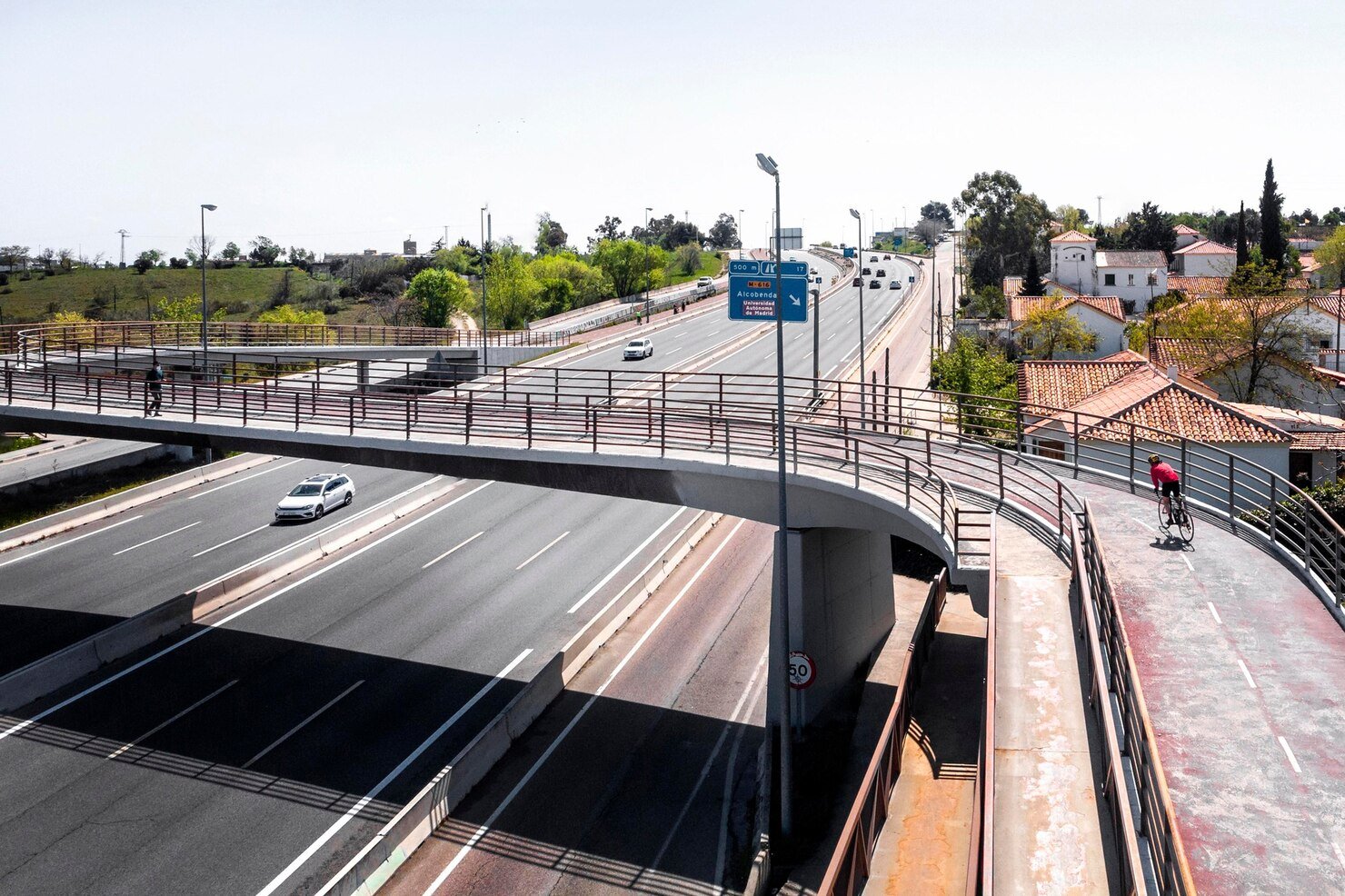
Darebin’s roads and streetscapes are still primarily considered to be a means by which motorised vehicles are conveyed. Every year roads are re-constructed throughout Darebin with no thought given to their wider function as a location for vegetation, treatment of stormwater and cooling of the urban environment. Little or no thought is given to how roads can play a role in the climate crisis. This must change with road re-construction being seen as an opportunity for re0design to achieve the addressing of these wider issues.
When elected, Darebin Progressive Independents Network (DPINs) Councillors will:
General Measures
Ensure a program is developed to re-design roads and streetscapes in areas where wide reserves are available that permit increased shading of road surfaces and increased stormwater retention in centre medians to support vegetation growth.
Ensure design and programming of street tree plantings have shading of heat absorbing surfaces as a primary consideration alongside tree performance.
Specific Measures
Ensure that all road reconstruction works and all Council asphalting works use light-coloured pavement materials capable of reflecting rather than absorbing heat.
Develop a program to replace any asphalt footpaths with concrete or light-coloured pavement materials.
Review small local traffic management projects to ensure they deliver cost and community benefit.
Require proponents of new car parks to use light-coloured pavement materials and design for 95% summer shading via trees or other means.
Review Council-owned car parks to program retrofitting trees in adequate soil volumes, re-surfacing with light-coloured pavement materials and increasing summer shading of impervious surfaces to 95% of surface area.
Work with private shopping centre owners to increase shading of car parks.
Especially work with owners of the Northcote Plaza shopping centre to restore tree cover and generally increase vegetation surrounding and within the car park.
Stormwater Management
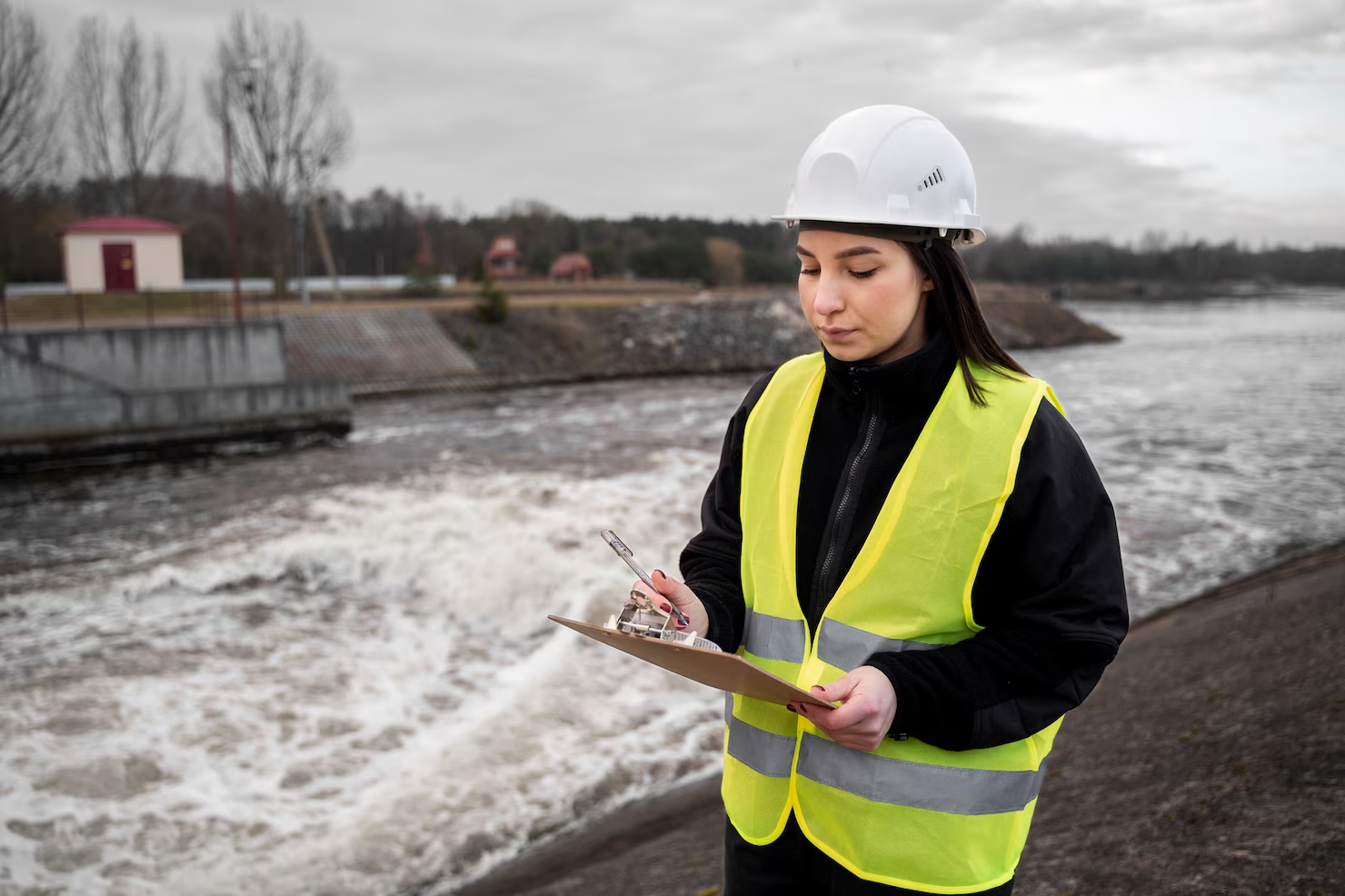
Councils have generally not taken responsibility for the quality of stormwater running off catchments they manage and that are serviced by Council drains. While Councils often complain about cost-shifting from other levels of government, this is one case where the reverse applies, with Councils often arguing that stormwater treatment is best done at scale and exclusively by the regional authority (Melbourne Water). A more appropriate approach would be to work collaboratively with Melbourne Water to undertake partnership projects to improve stormwater quality discharging to local streams.
When elected, Darebin Progressive Independents Network (DPINs) Councillors will:
General Measures
Review the extent to which Council exercises responsibility for stormwater management (especially pollutant and volume reductions), in relation to its drainage system and in line with accepted legal and industry standards.
Review small stormwater treatment initiatives on roads to ensure there is a positive cost and environmental/community benefit and re-direct funds to larger road re-design initiatives if such benefits are lacking.
Ensure all stormwater management projects seeking budgetary support contain treatment, irrigation re-use and city presentation benefits as part of the linking of stormwater management to city presentation.
Support cost-effective stormwater capture and treatment projects from the local and Melbourne Water drainage systems for irrigation of open space and to reduce stormwater volumes and pollutants in waterways.
Elevate the role of stormwater as a key device by which vegetation in a drying climate can be sustained and a key ingredient in improving city presentation.
Review planning requirements that all stormwater from residential properties be connected to a legal point of discharge, to encourage more on-site detention and re-use and less discharge to waterways.
Support the introduction of stormwater into the landscape to help cool urban environments, provide visually attractive features and support diverse vegetation communities.
Continue to support works that reduce flooding risks for residents and seek to develop priority flood mitigation projects in Darebin with Melbourne Water.
Specific Measures
Continue to support initiatives to improve water quality at Edwardes Lake while recognising the constraints imposed by a large upstream catchment generating significant pollutant loads and the lack of space for additional treatment at the lake.
Investigate and introduce measures to trap increased litter volumes from the Council stormwater system.

Transport and Traffic Management
While main roads through Darebin are a state responsibility via the Department of Transport and Planning, Council manages all other roads. The percentage of Darebin households owning one car (44.6%) is high by comparison with Greater Melbourne (35.6%), though less for two or three car households. This means that Darebin residents are significantly invested in car ownership. This method of commuting is used by 38.5% of people who travelled to work on Census day in 2021. By comparison, only 7.1% used public transport and 4.1% cycled or walked. Perhaps due to the pandemic, 36% worked from home.
It is obvious that more needs to be done to attempt to reduce use of fossil-fuel powered vehicles, although the role of Darebin Council in offering incentives for behaviour change is limited by comparison with other levels of government. In the meantime, Darebin Council must do everything it can to make access to and use of public transport attractive.
A further perennial issue is for Council to continue to keep residential streets free from speeding traffic at all times, and especially during morning and afternoon peaks.
When elected, Darebin Progressive Independents Network (DPINs) Councillors will:
General Measures
Continue to support appropriate active transport initiatives with demonstrable community benefit.
Ensure continued provision of services to all transport users such that current mobility can be maintained, while continuing to reduce negative impacts such as carbon emissions and other pollutants.
Eromote and ensure newly designated walking routes are capable of incorporating increased vegetation cover to improve their attractiveness and to lift usage rates.
Support the use of rail corridors, where viable land is available, for increased vegetation cover and continue to support volunteer Stationeer groups.
Seek to develop an outlook and options plan to address the increased use of autonomous EVs and their impact on car ownership, traffic volumes and the need for parking provision, so that Council is well prepared for a potentially radical change to private transport and can move proactively with what could potentially be a positive transition.
Work with other Councils and Department of Transport and Planning to investigate vehicle congestion pricing and how it might work and apply across Melbourne and in the City of Darebin and how socio-economic disadvantage issues could be addressed if such pricing was introduced.
Support the introduction of stormwater into the landscape to help cool urban environments, provide visually attractive features and support diverse vegetation communities.
Continue to support works that reduce flooding risks for residents and seek to develop priority flood mitigation projects in Darebin with Melbourne Water.
Specific Measures
- continue to work with Department of Transport and Planning to improve safety and accessibility issues for pedestrians and those with disabilities along main roads serviced by trams and facilitate efficiency of the two key tram services (11 and 86) in Darebin.
- continue to work with Department of Transport and Planning to investigate the extension of the number 11 tram service beyond Regent Street and the potential use of trackless technology.
- support an altered route for the northern section of the State Government’s Suburban Rail Loop (SRL) to include a station at Northland in between Heidelberg and La Trobe University.
- support investigation by Department of Transport and Planning of a new tram route from Clifton Hill to Northland (for connection with SRL), especially using tram route 86 to Bell Street and Chifley Drive.
- continue to work with the LXRA and provide early input to plans for future level crossing removals on the Mernda and Hurstbridge lines with a strong preference for below ground solutions to increase above ground usage options including greenery.
- oppose commercial e-scooter programs and trials on the basis of: mounting evidence of serious safety problems where, despite rules and regulations to the contrary, these vehicles mix with pedestrians; disadvantage to those with disabilities, as underlined by the recent VCAT decision; the lack of applicability of such programs to the northern part of Darebin with those ratepayers effectively subsidising the service to southern parts; and the disbanding of programs by adjacent Councils and even some authorities internationally.
- support off-road waterway trails including a new section of the Merri Creek and Capital City Trails from Merri Park, Northcote to High Street, Westgarth and resolve other long-standing public safety and trail issues from High Street to Heidelberg Road.
- investigate a 20km/hour speed limit along waterway trails and other measures to keep pedestrians and wildlife safe from speeding cyclists.
- to facilitate uptake of EVs, encourage State and Federal Governments to continuously expand the number of EV charging stations and points in Darebin that are supplied by renewable energy, rather than expecting Darebin to install them.
- encourage owners of major retail complexes such as Northcote Plaza, Northland, Summerhill and others to install charging stations supplied by renewable energy.
- continue to support works that keep peak hour vehicle traffic out of residential streets and the policing of 40km/hour speed limits on Council roads where they have been introduced.
- monitor the City of Yarra’s introduction of 30km/hr speed limits in some streets and the benefits derived from the initiative.
- support investigation of options for improvement of the High Street/Spring Street/Cheddar Road/Broadway intersection to: reduce through traffic vehicle numbers on Spring Street at Edwardes Street; increase pedestrian connection between Edwardes Street and The Broadway; and to make the west side of Reservoir Station pedestrian friendly, especially with the advent of the SRL connection.
- ensure that the above works are compatible with the proposal to have the SRL connect to the Mernda line at Reservoir, should that be confirmed, and provide early input to the planning of the SRL connection.

Waste Management
As easily accessible and viable landfill sites reduce, all Councils and the State Government are committed to diversion of waste going to landfill. However, over the last 30 years, improvements to waste management have not kept pace with volumes still going to landfill. Darebin and regional Council partners need to do more along with the State Government. DPIN supports charging by weight for household landfill waste.
When elected, Darebin Progressive Independents Network (DPINs) Councillors will:
General Measures
Employ principles of the circular economy to guide and assist re-use and recycling of materials to avoid waste and high reliance on virgin materials in packaging.
Support additional educational and other initiatives and programs to inform the community further regarding waste management, especially the need to keep unused food out of landfill and ensure food scraps go to composting via assisting and subsidising composting for households and especially those living in apartment blocks.
Support State and Federal initiatives to improve processes for recyclable material to extend its life and give it additional uses.
Support purchase of recycled materials that have been re-created for additional uses (e.g. plastic bollards, outdoor furniture etc.).
Specific Measures
Advocate for and work with other Councils and levels of government to restore soft plastic recovery with convenient drop-off points for Darebin residents.
Investigate the potential for weekly food waste collection for items not suitable for composting instead of fortnightly collection in green waste, because these items attract flies and fruit flies.
Review charges for waste with a view to the introduction of a waste by weight charge for collection of landfill bins to incentivise reduction of waste volumes going to landfill.
Investigate the usefulness of separate glass recycling collection in light of the State Government’s Container Deposit Scheme and the advantages for recyclable separation.
Investigate the opening of an additional Resource Recovery Centre, preferably in the southern part of Darebin, to ensure travel to Kurnai Avenue, Reservoir is not a disincentive to use.
Investigate the employment of additional litter officers to better cover the whole of Darebin to deter and prevent dumping of waste and reduce the incidence of litter.

Appropriate, Community-Oriented Development
The State Government’s announcement of a large number of activity centres that will be targeted for more intense urban development has caused significant unease across areas of Thornbury and Preston, due to the prospect of high-rise development in low-rise residential areas. One of the groups that has emerged to critique these State Government proposals is Fair Growth Thornbury (FGT). DPIN seeks to support FGT in their efforts to ensure that development proposals are matched by appropriate and adequate provision of necessary services to support increased population density and create the liveable circumstances that new and current residents will need and reasonably expect. These services are broad ranging and cover areas well beyond basic water, sewer, road and telecommunications infrastructure and include all health, welfare and educational services as well as open space provision and opportunities for contact with nature to help address mental health. Darebin, like all middle ring suburbs in Melbourne, can’t have development at any cost imposed upon them by other levels of government pre-occupied only with housing supply and showing little regard for provision of necessary wide-ranging services that must accompany more intensive development.
DPIN rejects the myth first put about in the 1990s that all middle ring suburbs have under-utilised capacity that will readily cater for more intensive development and increased population. Forty years of gentrification of middle ring suburbs have already stretched their services and infrastructure to near capacity.
All areas (outer, middle or inner ring areas) subject to increased development require additional or upgraded services and infrastructure. Middle ring suburbs do not present a free pass for governments wishing to avoid provision of additional or upgraded services and infrastructure. Some additional development can be accommodated in middle ring suburbs, but only with these additional or upgraded services and infrastructure.
When elected, Darebin Progressive Independents Network (DPINs) Councillors will:
General Measures
Ensure that Darebin remains a highly desirable and inviting place to live, work and recreate because of its recognised liveability attributes, thriving retail strip shopping centres and café precincts, human-scale, walkable street environments, climate adaptation and preparedness and well-maintained tree and vegetation cover in parks and elsewhere.
Reject excessive and poor development that erodes liveability, creates proverbial concrete jungles devoid of greenery, constrains opportunities for community contact and contact with nature and negatively impacts local urban character, identity, the streetscape environment and walkability.
Reject development that is unable to be matched by demonstrated necessary infrastructure and services (e.g. transport, health care, child care, education provision, recreation, open space etc.), to meet the needs of a proposed increased population.
Ensure that all intensive, medium and high-rise development is required to make provision for greenery via use of green walls and roofs, as well as vegetated open space in order to facilitate heat mitigation and allow people to retain some contact with nature, as well as creating attractive spaces for community interaction.
Only support well-designed more intensive development where it is close to public transport and activity centres that contain all of the above attributes.
Plot a course between extreme YIMBY and NIMBY interests and lobby groups, recognising that neither fully represent broader community interests in making Darebin a more liveable city that will inevitably need to accommodate more people due to factors outside of Council’s control.
Specific Measures
- work with Department of Transport and Planning to investigate introducing contributions from developers of medium and high-rise buildings to mitigate the Urban Heat Island Effect.
- investigate incentives for applicants who seek to retain backyards, recognising the importance they can play in retention of urban biodiversity, greenery, tree and vegetation cover and mitigation of urban heat.
- support the retention of heritage protection overlays in the planning scheme where they are important to retaining the character of Darebin’s residential areas.
- investigate incentives for applicants who seek to respect the character of the street in which they propose development and disincentivise applicants seeking to employ an architectural style at odds with the context of the street and neighbourhood.
- support the application of new information technology and processes that expedite straightforward planning applications and consider how small-scale developments (e.g. fences) could be exempted from the planning process to reduce approval times of more important applications.
- support a significant increase in new public housing in Darebin to ensure the homeless and disadvantaged do not continue to be neglected and can be securely housed.
- ensure that particular café, restaurant and night-life precincts such as High Street through Northcote, Thornbury and Preston retain their character and mix of retail outlets such that they continue to contribute to urban liveability and are not overwhelmed by intense, high-rise residential development that causes these transport routes to become high-rise, windswept, alienating concrete canyons.
- investigate how the High Street-Plenty Road South Preston precinct can be softened and greened to address excessive development that has compromised liveability values.
- investigate a design competition to re-imagine the Northcote Plaza precinct and its relationship to High Street and All Nations Park with a view to dramatic improvement of its tired, run-down appearance and atmosphere and to offer better addressing and integration with All Nations Park.
Housing
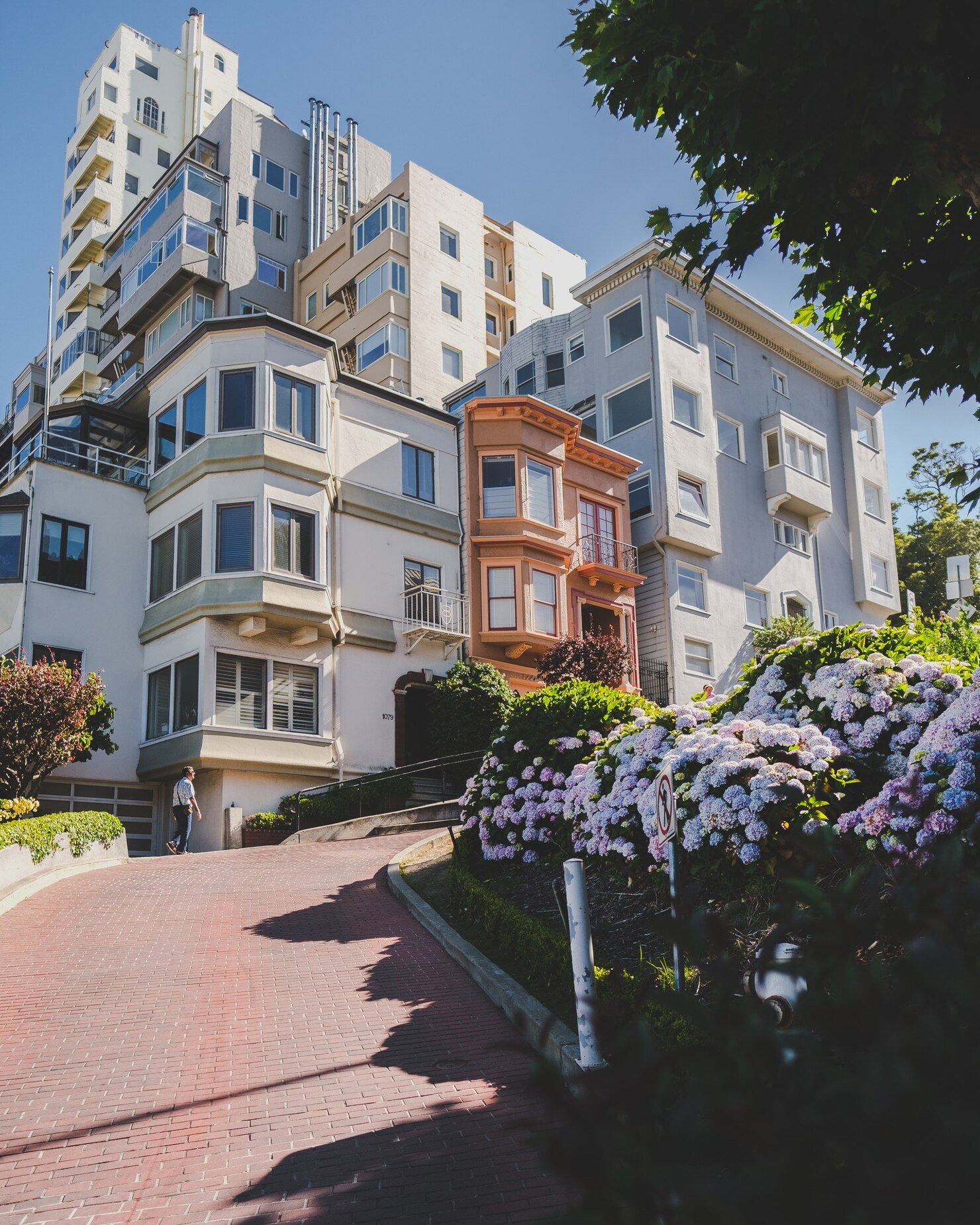
Darebin is not immune from the housing crisis that grips the nation. A large sector of the Darebin population are renters, with just under 33% of Darebin’s households renting privately and 4.1% in social housing – both higher than the greater Melbourne average.
The State Government has given Darebin a target of 69,000 new homes by 2051, although population growth projections are not aligned with such a target. It follows that developers will not build new homes to which the State Government aspires if there is not the population to create the demand.
When elected, Darebin Progressive Independents Network (DPINs) Councillors will:
General Measures
Work with the State Government to arrive at an acceptable and achievable target for a housing increase in Darebin through to 2051, but only after the release of modelling that sets the draft target figure, and thereafter, detailed investigation of:
Continue to support current zonings and overlays in the Planning Scheme unless there is an overwhelming, well-researched case for change.
Ensure that the provisions of Heritage Overlays continue to be applied to afford protection for areas of documented and recognised heritage value and are not used in bad faith to unreasonably thwart proposals for new housing.
Support the basic premise that, while there could be significant qualifications, housing densification is best located in close proximity to public transport routes (especially trains and trams).
Specific Measures
Oppose excessive densification of development that turns key transport corridors (especially those with a north-south orientation, e.g. High Street) into high-rise, windswept, alienating concrete canyons, because of inadequate consideration of climate and street-scale, walkability/liveability issues that help retain and enhance street-life and make Darebin a desirable place to be.
Investigate the potential for contributions from developers of medium and high-rise buildings to assist efforts to mitigate the Urban Heat Island Effect.
Public Housing
Always advocate for everyone to have the right to be housed in safe, adequate and well-maintained housing.
Advocate for public housing to be the primary focus of new housing development in Darebin in recognition that successive State and Federal Governments have allowed investment in this sector to slide to unacceptably low levels over the last 30 years and that the homeless and disadvantaged must be housed in sound, safe, affordable accommodation.
Advocate to the State Government to cease the undermining of public housing by either the selling of government owned public housing estates to private developers, or allowing majority private housing to be developed on former public housing estates.
Preston Market
When elected, Darebin Progressive Independents Network (DPINs) Councillors will:
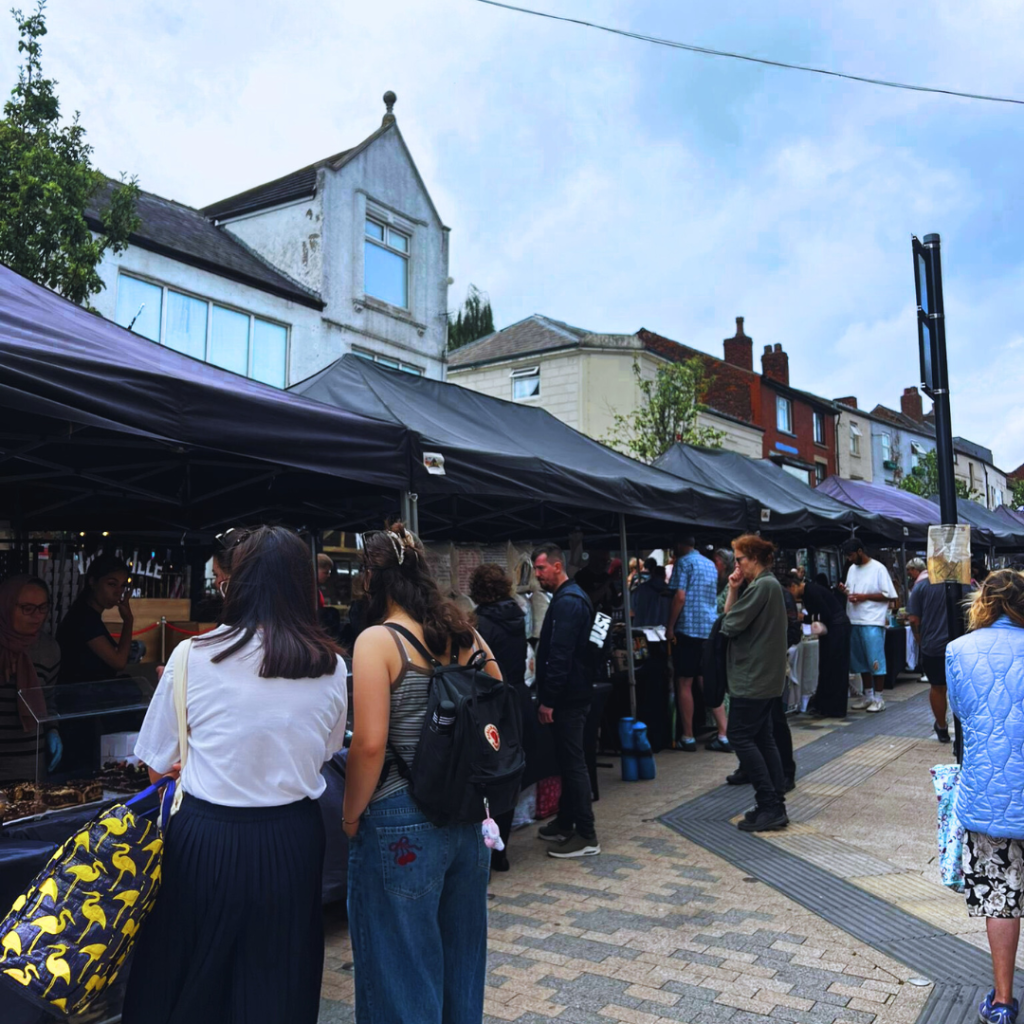
Support the application of the heritage overlay for the market in the Darebin Planning Scheme and promote the features of heritage significance.
Advocate to State Government for public acquisition of the market to better ensure the ongoing role of the market and bring it into line with other major markets in Melbourne (Queen Victoria, South Melbourne, Prahran).
Support necessary upgrades to market facilities to ensure it is clean and functional and restore valuable original features where possible.
Support a full occupation of all market stalls.
Promote the fresh food market to support community health.
Prioritise the ongoing role of the market as a community hub and an asset that must clearly benefit the community.
Work to preserve the functioning and primary importance of the market and its traders, recognising its role as critical to the social fabric of the local community.
Oppose development that brings a loss of market functions and an excessive focus on residential development that diminishes its role as an important gathering place and social asset for the community.
Advocate for ongoing consideration of the needs of traders within a competitive trading environment that draws people to the market and benefits shoppers.
Reservoir Leisure Centre
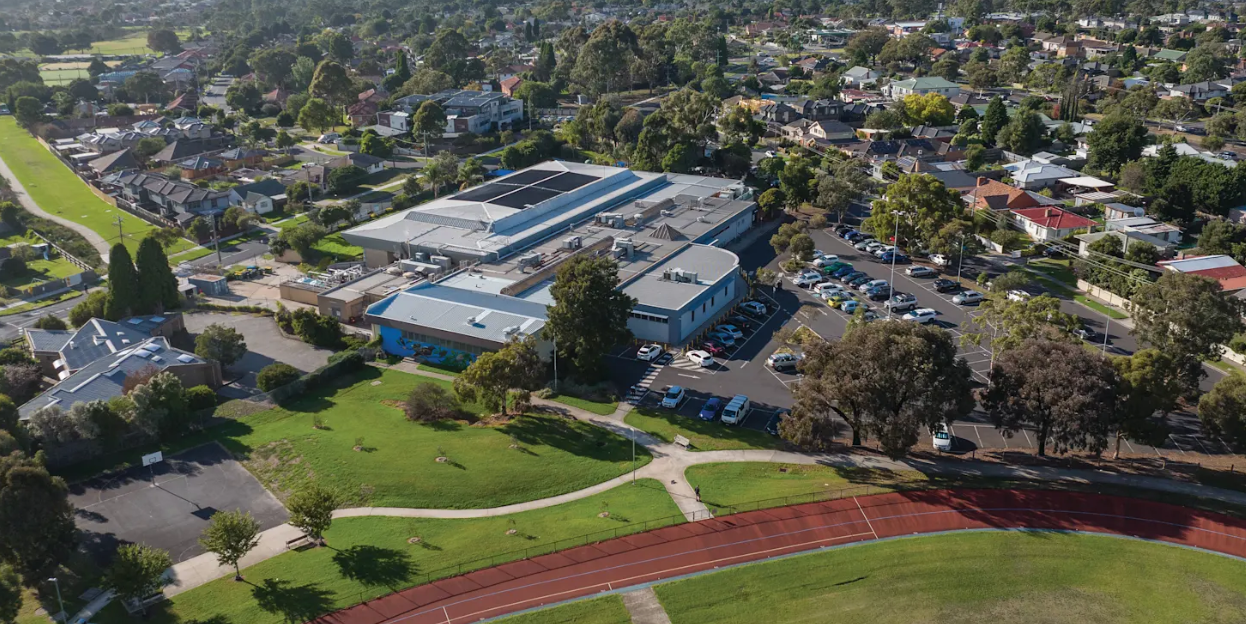
The re-development of the RLC is essential and a key priority for the northern part of the city. Moves to initiate its design have been far too slow.
When elected, Darebin Progressive Independents Network (DPINs) Councillors will:
Support Council budget allocations that provide for the design and construction of the RLC above all other priorities.
Support the full re-development of the RLC as a priority for Council, recognising that it is long-overdue.
Support re-development of the Reservoir Leisure Centre (RLC) to achieve a facility comparable to, and of a likeness with, the re-developed Northcote Aquatic & Recreation Centre, especially including a 50 metre outdoor heated pool capable of being used by the public year-round and a well-being facility, including a hydro-therapy pool.
Oppose attempts to characterise Reservoir as undeserving of a centre comparable to that at Northcote, when access to learn to swim, fitness and well-being facilities are much needed amongst the local population, with Darebin’s highest proportion of low income earners and migrant communities.